 ADMIN ST BUSINESS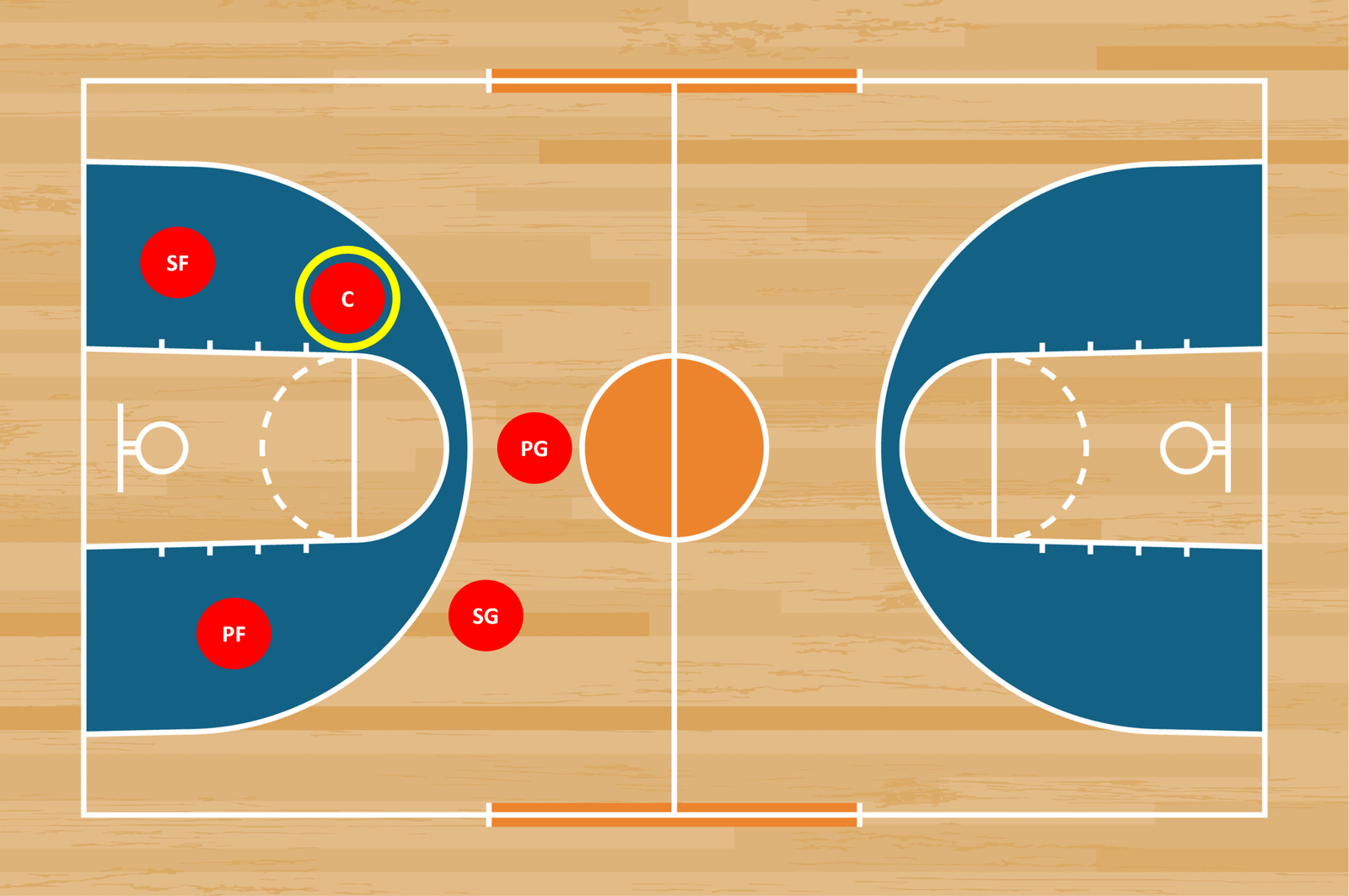
Understanding basketball positions is essential for anyone serious about improving their game. Each position on the court has distinct responsibilities, requiring specific skills that contribute to the team’s overall performance. From directing the offence to defending the rim, knowing the fundamentals of basketball positions allows players to play smarter, work better with teammates, and maximise their strengths.
Basketball positions are also crucial when it comes to training and preparing for matches. Players need to focus on skills relevant to their role, whether that is dribbling, shooting, rebounding, or defending. Practising in local basketball courts, wearing the right basketball shoes, and understanding team strategy all tie back to a strong knowledge of basketball positions, ensuring players perform efficiently during every game.
The Five Main Basketball Positions
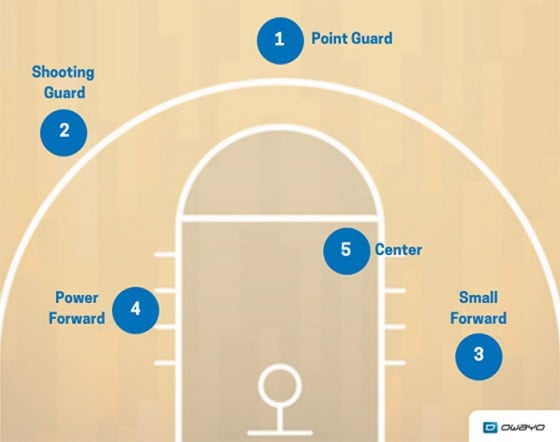
Basketball positions are traditionally categorised into five main roles: point guard, shooting guard, small forward, power forward, and centre. Each position contributes differently to the flow of the game. Guards generally handle the ball and perimeter play, forwards balance scoring and defence, and centres dominate inside scoring and rim protection. Understanding basketball positions provides a framework for both team strategy and individual skill development.
While basketball has evolved towards more flexible, positionless play, these five roles remain essential. Players may interchange positions during a game, but the foundation of basketball positions guides decision-making and helps maintain structure. By mastering the responsibilities associated with each position, players can enhance their impact, regardless of their versatility or adaptability.
Point Guard – The Floor General
The point guard is often considered the “floor general” of the team. This position requires exceptional ball-handling skills, vision, and decision-making. Point guards are responsible for bringing the ball up the court, directing the offence, and setting up scoring opportunities for teammates. Knowledge of basketball positions ensures point guards understand their critical role in linking strategy and execution.
Training for a point guard involves developing dribbling under pressure, quick passing, and reading the opposition’s defence. Practising on a basketball hoop and spacing drills can improve court awareness. Awareness of basketball positions is crucial, as it helps point guards adapt to various situations, lead the team effectively, and make smart choices that maximise both individual and team performance.
Shooting Guard – The Sharpshooter
Shooting guards are often the team’s main scorers and long-range shooters. Their responsibilities include finding open shots, defending opposing guards, and supporting ball movement. Learning basketball positions helps aspiring players understand when to take shots, when to drive to the basket, and how to read the defence effectively.
Success as a shooting guard requires agility, accurate shooting, and smart off-ball movement. Drills that improve precision, defensive anticipation, and positioning are vital. Understanding basketball positions ensures a shooting guard knows their contribution to both offence and defence. Practising consistently on basketball courts and using proper basketball shoes enhances performance and reduces the risk of injuries.
Small Forward – The Versatile Player
Small forwards are considered some of the most versatile players on the court. They combine speed, agility, and size to score, rebound, and defend multiple positions. Knowledge of basketball positions is important for small forwards because they need to balance offensive duties with defensive responsibilities, often switching between roles as needed during a game.
Small forwards frequently operate both inside and outside the paint, requiring a blend of strength and skill. Training includes shooting from mid-range, defending various opponents, and rebounding effectively. Understanding basketball positions allows small forwards to contribute strategically across the court, ensuring teams remain balanced and adaptable, especially in competitive environments like the British Basketball League.
Power Forward – The Inside Threat
Power forwards excel near the basket, focusing on scoring inside, rebounding, and defensive positioning. They require strength, timing, and awareness to dominate in the paint. Learning basketball positions helps power forwards understand their role in supporting centres, controlling rebounds, and creating scoring opportunities for the team.
Effective training for power forwards includes post moves, mid-range shooting, defensive footwork, and rebounding drills. Awareness of basketball positions helps players adapt to fast breaks, set screens, and support teammates strategically. Proper basketball shoes, jerseys, and shorts can enhance mobility and performance. Knowledge of basketball positions ensures power forwards maximise their impact on both offence and defence.
Centre – The Rim Protector
The centre is typically the tallest player and the backbone of the team’s defence. Responsibilities include rebounding, blocking shots, scoring close to the basket, and protecting the rim. Understanding basketball positions ensures centres focus on positioning, timing, and anticipating opponents’ movements, which is crucial for both team defence and fast-break opportunities.
Training for centres involves practising shot-blocking, post moves, and securing rebounds. Mastering basketball positions helps centres contribute effectively to team strategy, dominate the paint, and prevent opponents from easy scores. Practising on proper basketball courts and using durable basketball shoes ensures that centres can perform their role with efficiency and safety during every match.
Modern Trends in Basketball Positions
Modern basketball increasingly embraces positionless play, with players expected to perform multiple roles. Despite this trend, traditional basketball positions remain important for teaching fundamentals, developing specialised skills, and maintaining team structure. Awareness of basketball positions allows players to switch roles without losing strategic coherence.
Positionless basketball emphasises versatility, speed, and adaptability. Players often combine skills from different positions to create mismatches and exploit weaknesses in the opposition. However, a solid foundation in basketball positions ensures that players retain their core competencies, understand team roles, and can adapt quickly while maintaining effective gameplay.
Essential Gear for Basketball Positions
Every basketball position benefits from high-quality gear. Basketball shoes enhance performance and prevent injuries, while basketball jerseys and shorts improve comfort during intense play. Practising with a well-maintained basketball hoop and net ensures accurate shots and effective drills. Knowledge of basketball positions helps players choose gear suited to their role.
Proper equipment supports skill development and performance. For example, point guards may prioritise lightweight shoes for agility, while centres require sturdy footwear for jumping and rebounding. Understanding basketball positions and selecting the right gear enhances both safety and efficiency, allowing players to focus on refining their skills and mastering their position.
Tips for Beginners and Aspiring Basketball Players
Beginners should start by understanding basketball positions and choosing one that aligns with their strengths. Practising on basketball courts near them, observing basketball stars, and focusing on position-specific drills helps improve skills quickly. Awareness of basketball positions accelerates learning and builds confidence on the court.
Training should cover ball-handling, shooting, defence, and positional awareness. Studying the best basketball players of all time provides insight into strategies and techniques. By mastering basketball positions, aspiring players can become versatile, effective, and ready to compete at any level, whether in local leagues or professional environments.
Conclusion
Basketball positions form the backbone of effective gameplay. From point guards orchestrating attacks to centres protecting the rim, each role requires distinct skills and responsibilities. Mastering basketball positions improves individual performance, strengthens teamwork, and enhances overall strategy on the court.
Players should focus on training, understanding their position, and practising consistently. Using proper gear and learning from basketball stars can elevate performance further. Knowledge of basketball positions is essential for anyone who wants to excel in basketball, whether in casual games, competitive leagues, or the British Basketball League.
You may also read: Dining Experience: Chef-on-Call and In-Flight Menus