
 ADMIN ST BUSINESS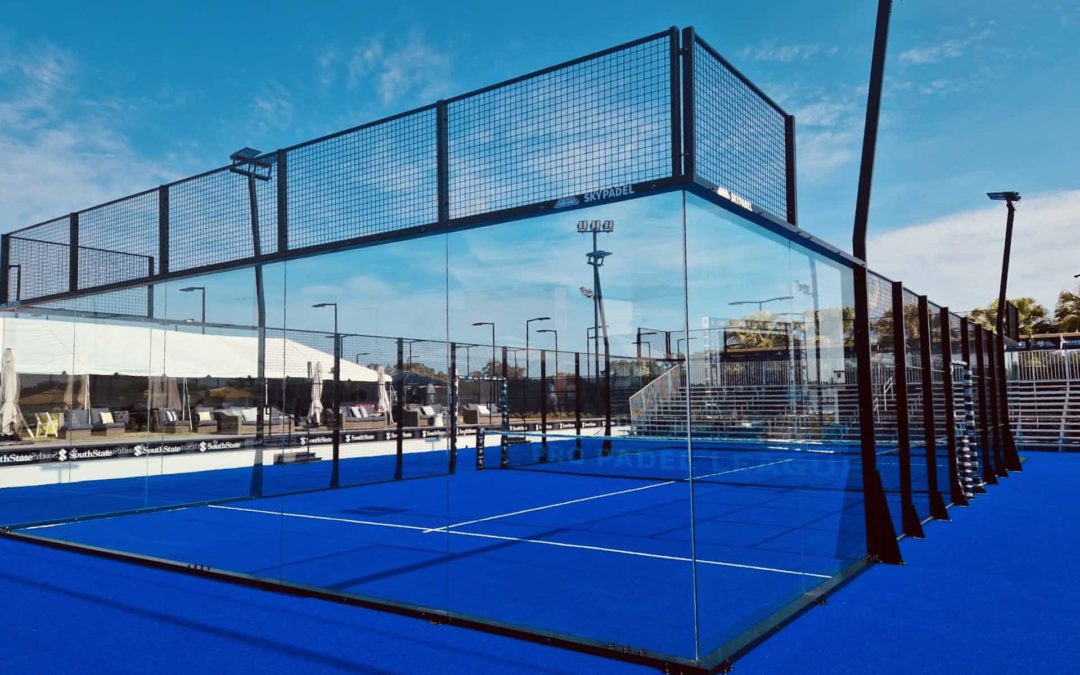
Padel is rapidly growing in popularity across the UK, combining elements of tennis and squash to create a fast-paced, social sport that is easy to learn. Unlike tennis, padel is predominantly played in doubles, and the unique design of the padel court allows the ball to rebound off walls, adding a strategic dimension to every rally. Understanding the features of a padel court is essential for both beginners and experienced players who want to enjoy the game fully.
With more clubs opening in cities like London, Manchester, and Birmingham, padel is accessible to players of all levels. The compact size of a padel court means it can fit in smaller spaces than traditional tennis courts, making it perfect for urban sports centres. Whether you are looking to play casually or join competitive leagues, knowing the structure and layout of a padel court is crucial for improving your game and enjoying the sport safely.
What is a Padel Court?
A padel court is a rectangular, enclosed playing area measuring 10 metres wide and 20 metres long. The court is divided by a central net, and walls made of glass or wire mesh surround the sides and back. These walls allow players to use rebounds as part of their strategy, making padel a dynamic and exciting sport. The combination of walls and the court’s compact size encourages quick reflexes and teamwork, which is why padel is often considered more accessible than traditional tennis.
The surface of a padel court plays a significant role in the quality of the game. Most courts use artificial turf, which provides a good grip and consistent bounce, though some professional setups may have concrete or wood surfaces. Proper maintenance of the padel court is essential to ensure safety and longevity, as worn surfaces can affect play and increase the risk of injuries. Understanding the court’s layout and materials helps players maximise performance and enjoy each match to the fullest.
Padel Court Sizes, Materials & Construction
Standard padel court dimensions are designed for uniformity in professional competitions. The walls are typically between three to four metres high, with the net slightly lower in the centre than at the edges. Service boxes are marked on the back half of the court, and the rules require an underhand serve that lands diagonally in the opponent’s box. The combination of these features makes each padel court a versatile playing area suitable for competitive and recreational matches.
When building a padel court, materials are carefully chosen to balance durability and playability. Artificial turf is a popular option due to its shock absorption and ability to provide consistent ball bounce. Glass walls allow spectators to enjoy matches while providing structural integrity, and wire mesh can offer additional support and visibility. The cost of constructing a padel court in the UK varies depending on location, materials, and additional features, but investing in high-quality surfaces and walls ensures a long-lasting and safe facility.
Essential Padel Equipment
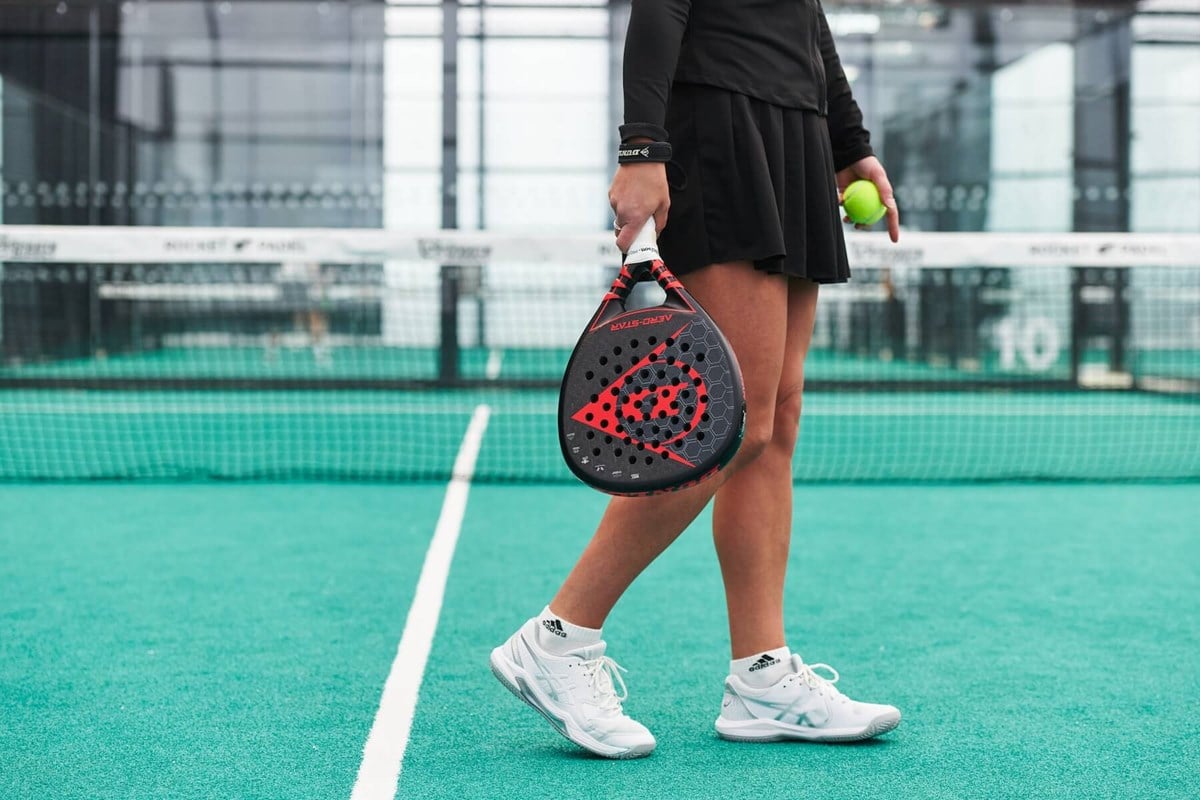
Playing on a padel court requires specific equipment that differs from traditional tennis gear. Padel rackets are solid, perforated, and smaller than tennis rackets, offering control and precision. Popular brands in the UK include Babolat and Rocket Padel, providing options for beginners, intermediate, and professional players. Selecting the right racket significantly impacts your performance on a padel court, as it influences ball control, spin, and shot accuracy.
Padel balls are slightly smaller than tennis balls and designed for wall rebounds, enhancing the game’s dynamic nature. Footwear is also crucial, with padel shoes providing the grip and support needed for lateral movement on artificial turf or concrete surfaces. Wearing proper attire and using high-quality rackets and balls ensures players can fully enjoy the unique experience of a padel court while reducing the risk of injuries during play.
How to Play Padel
Playing on a padel court is both simple and strategically challenging. Matches are predominantly doubles, and points are scored similarly to tennis. Players serve underhand, and the ball must land diagonally within the service box. A unique aspect of padel is the use of walls, which allows the ball to rebound, creating longer rallies and requiring tactical shot placement.
Understanding the rules and basic techniques is crucial for beginners to enjoy padel fully. Players must learn how to position themselves on the court, anticipate wall rebounds, and communicate effectively with their partner. Experienced players develop advanced strategies, such as controlling the net or using angles to outplay opponents. Mastery of these techniques allows for competitive and enjoyable games on any padel court.
Finding Padel Courts in the UK
Finding a padel court in the UK has become easier with the sport’s rising popularity. Many sports clubs, gyms, and community centres now offer padel facilities. Searching online using phrases like “padel courts near me” or “padel tennis near me” helps locate courts close to your area, making the sport accessible to players across the country.
Major cities such as London, Manchester, and Birmingham have professional arenas and clubs offering coaching sessions, tournaments, and social leagues. Booking a padel court in advance is common, especially for peak hours, so checking availability online or contacting local clubs ensures you can enjoy a session without hassle. Exploring different padel courts allows players to experience various surfaces, lighting, and facilities, enhancing their overall game experience.
Benefits of Playing Padel
Playing on a padel court offers numerous physical, mental, and social benefits. The sport improves fitness by engaging the whole body, enhancing reflexes, agility, and coordination. The strategic element of using walls develops mental sharpness, planning, and problem-solving skills. Socially, padel encourages teamwork and interaction, making it an enjoyable activity for friends and family alike.
Unlike traditional racquet sports, padel is beginner-friendly and accessible to all ages. The smaller court size and wall rebounds allow shorter learning curves, enabling players to experience success quickly. With more padel courts opening across the UK, the sport’s community continues to grow, offering competitive leagues, social events, and opportunities to connect with fellow enthusiasts. Playing regularly provides health benefits while being highly entertaining.
Conclusion
A padel court is more than just a playing area; it is the foundation of a fast-growing, strategic, and social sport. Understanding its dimensions, materials, and equipment is crucial for enjoying padel fully. Whether you are a beginner or a seasoned player, exploring local padel courts in the UK offers countless opportunities for fun, fitness, and community engagement. With the sport’s rapid growth, there has never been a better time to step onto a padel court and play.
You may also read: Features to Consider When Buying a Table Tennis Table