 ADMIN ST BUSINESS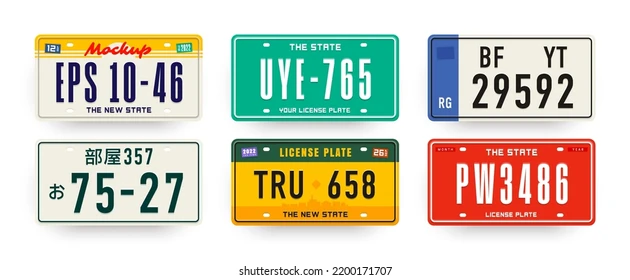
Registration plates for sale have become a popular way for vehicle owners in the UK to personalise their cars. More than just a legal requirement, these plates allow drivers to showcase individuality, celebrate achievements, or even make an investment. From standard plates to rare and exclusive designs, the market for registration plates for sale is growing rapidly, with options to suit every taste and budget.
Finding the perfect registration plate requires research and awareness of legal requirements. Many enthusiasts turn to online marketplaces, auctions, and specialist retailers to explore the best registration plates for sale. By understanding the different types of plates and how to verify them, buyers can ensure their investment is both unique and legally compliant in the UK.
What Are Registration Plates and How Do They Work in the UK?
Registration plates for sale in the UK serve as an official identification for every vehicle on the road. Issued and regulated by the DVLA, these plates must meet strict standards for size, font, and visibility to ensure safety and legal compliance. Without a properly registered plate, a vehicle cannot be legally driven, making registration plates a crucial part of vehicle ownership.
In addition to standard plates, the UK market offers personalised, dateless, and special design plates. Personalised registration plates for sale allow buyers to select letter and number combinations that hold personal significance, such as initials, names, or memorable dates. Dateless plates, meanwhile, offer timeless appeal, allowing vehicles to maintain a classic look regardless of registration year.
How to Buy Registration Plates in the UK
Buying registration plates for sale in the UK can be done through multiple channels, each offering a unique selection of plates. Specialist retailers, online marketplaces, and DVLA-approved sources provide a wide variety of private and personalised options. Buyers should compare sources to find plates that meet their preferences and budget while ensuring DVLA approval.
When considering registration plates for sale, it is essential to assess factors like rarity, desirability, and cost. Some plates with popular letter-number combinations can be significantly more expensive than standard options. By researching the market and exploring trusted sources, buyers can find registration plates for sale that not only look great but also comply with legal and transfer requirements.
Checking Registration Plates Before Buying

Before purchasing registration plates for sale, performing a thorough vehicle registration check is crucial. This process ensures that the vehicle associated with the plate has no outstanding finance, has not been stolen, and has not been written off. A reliable registration check protects buyers from potential legal issues or financial loss.
The DVLA and other online platforms offer convenient tools for conducting registration checks. These tools verify both the authenticity of the plate and the history of the vehicle, providing peace of mind. Buyers who take the time to check registration plates for sale can confidently proceed with their purchase, knowing their investment is legitimate and secure.
Special Cases: VAT, Company, and GP Registration
Registration plates for sale are not limited to private car owners. Businesses often require specific plates that comply with VAT registration rules or are linked to a company registration number. Such plates ensure that commercial vehicles meet legal and tax obligations, while also providing branding opportunities for businesses.
Special events and sectors may also require unique registration plates. GP registration, Glastonbury festival registration, and other event-specific plates offer customised options for vehicles used in niche contexts. Occasionally, promotions such as free bonuses or no-deposit offers make it easier to access registration plates for sale, allowing both personal and professional buyers to take advantage of unique opportunities.
How to Value and Transfer Your Registration Plates
Valuing registration plates for sale is a critical step before purchase or sale. Rare or personalised plates can hold substantial market value, and consulting professional valuers or online valuation tools helps determine their worth. Understanding the value ensures buyers do not overpay and sellers receive fair compensation for unique plates.
Transferring registration plates for sale in the UK requires following DVLA procedures carefully. Both the buyer and seller must complete the necessary paperwork and pay applicable fees. Ensuring the legal transfer of ownership guarantees that the plate remains registered to the correct vehicle and complies with all UK regulations. Proper valuation and transfer protect both parties and enhance confidence in the transaction.
Conclusion
Registration plates for sale in the UK offer much more than identification—they allow car owners to express their style, personality, and even make a long-term investment. By researching, performing registration checks, and choosing trusted sources, buyers can find plates that are both unique and compliant with DVLA regulations. Whether opting for personalised, dateless, or special design plates, exploring registration plates for sale opens up endless possibilities for UK vehicle owners.
FAQs
What is the process to buy private registration plates in the UK?
How can I check if a registration plate is available before purchasing?
Can registration plates be transferred between vehicles?
Are personalised registration plates a good investment in the UK?
How does VAT registration affect commercial vehicle plates?
Which online tools can I use to check registration plates for sale?
Are there any free bonuses or promotions on registration plates for sale?
How do I accurately value my car or registration plate?
What are the legal DVLA requirements for UK registration plates?
Can I purchase special event plates like GP or Glastonbury registrations?
You may also read: Tillingham Wines – Natural English Wines, Vineyard Stays & Tours in Rye