
 ADMIN ST BUSINESS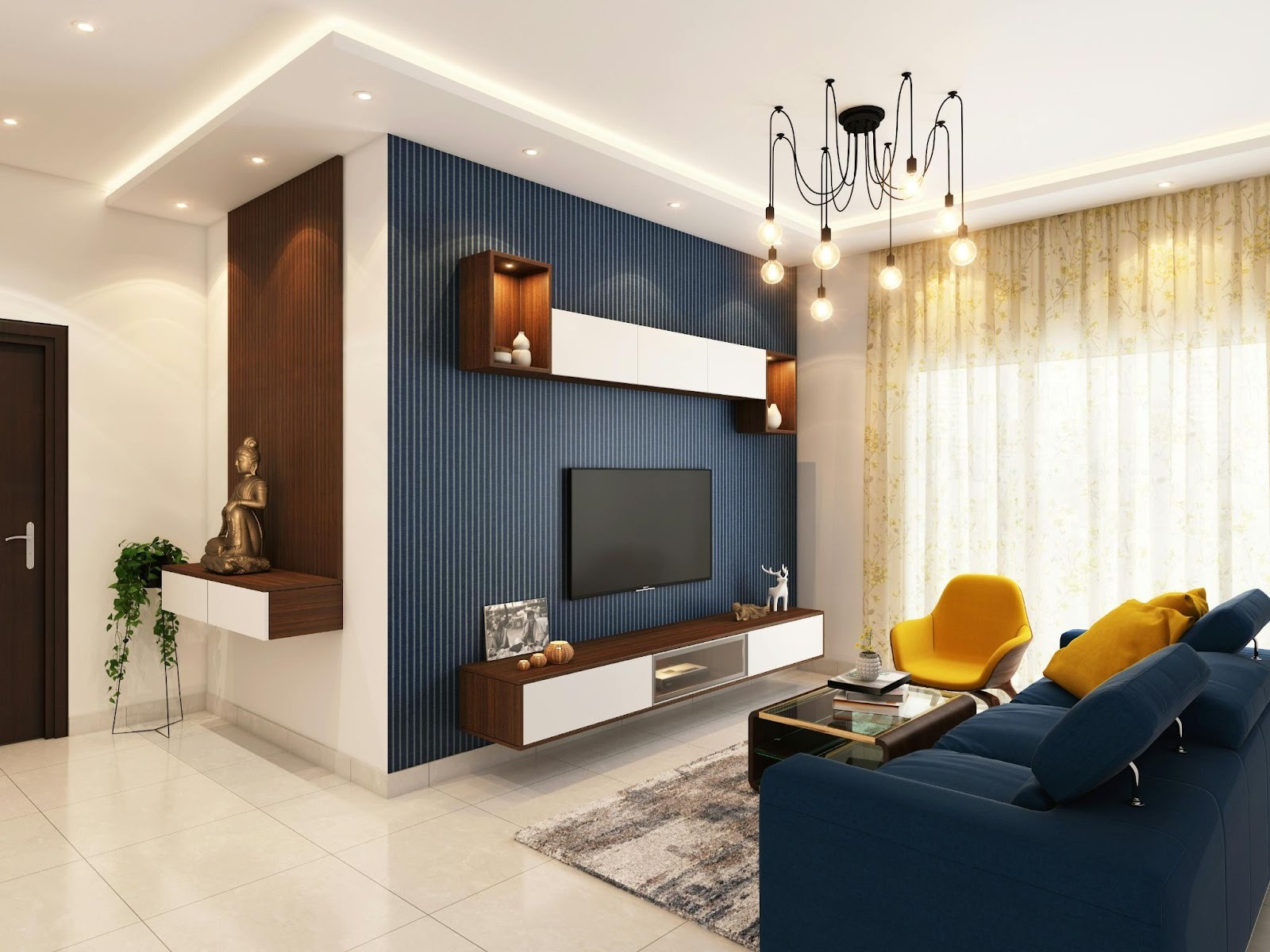
We’ve all walked into a room that just felt “off.” Maybe the furniture was beautiful, the layout was functional, and the rug was plush, but something was missing. On the flip side, think about your favorite boutique hotel or that cozy coffee shop you love. What makes those spaces feel so inviting? Often, the secret ingredient isn’t the decor itself—it’s how the decor is illuminated.
Lighting is the unsung hero of our homes. It has the quiet power to shrink a massive hall into a cozy nook or turn a sterile kitchen into a welcoming family hub. While many of us treat lights as a practical necessity—just a way to see in the dark—effective Lighting Design goes far beyond utility. It shapes our experience, guides our eyes, and profoundly influences our mood.
What are the three layers of lighting design?
To understand how to transform a space, you first need to understand the toolkit. Professional designers don’t just rely on a single overhead fixture. Instead, they build a room using three distinct layers: ambient, task, and accent lighting.
Ambient lighting is your foundation. It’s the general illumination that lets you move around a room safely. Think of it as the canvas upon which you paint with other lights.
Task lighting is strictly functional. It’s the focused beam over your kitchen island where you chop vegetables, or the reading lamp next to your armchair. It ensures you can perform specific activities without straining your eyes.
Accent lighting provides the drama. It’s used to draw attention to specific features, like a piece of art, a textured wall, or an architectural detail. This layer adds depth and dimension, stopping a room from looking flat.
How does lighting affect your mood?
Have you ever felt instantly relaxed when the lights are dimmed, or alert and focused under bright, white bulbs? That’s biology at work. Lighting has a direct line to our emotions and our circadian rhythms.
A crucial element of Lighting Design is color temperature. “Warm” light (think golden, candle-like tones) triggers relaxation. It mimics the sunset, signaling to our brains that it’s time to wind down. This is why warm light feels so right in living rooms and bedrooms.
Conversely, “cool” light (which has blue tints) mimics daylight. It suppresses melatonin and wakes us up, making it ideal for home offices or bathrooms where you need to feel alert. By customizing these temperatures, you can dictate the emotional energy of a room.
How can you transform different interior spaces?
Custom lighting isn’t one-size-fits-all; it changes based on how a room is used.
In the Living Room: This is a multi-purpose space, so flexibility is key. You might want bright light for a family board game night but a soft glow for watching a movie. A custom approach might involve dimmable recessed lights for ambient coverage, paired with floor lamps for a softer, more intimate feel during the evening.
In the Kitchen: Safety and function reign supreme here. Shadows are the enemy of a cook. Under-cabinet lighting is a game-changer, illuminating countertops directly so your body doesn’t block the overhead light while you work.
In the Bedroom: This sanctuary requires softness. Avoid harsh downlights directly over the bed, which can be glaring when you’re lying down. Instead, consider bedside sconces or indirect cove lighting that washes the ceiling in a gentle glow.
What are some practical tips for better lighting?
If you want to elevate your home, start by looking at what you’re trying to highlight. Don’t just light the floor; light the walls and the art.
Plan your scheme early. If you are renovating, think about wiring before the drywall goes up.
Install dimmers everywhere. The ability to control light intensity is the single impactful upgrade you can make. It allows you to change the mood of a room instantly.
Consult a professional. A specialist can see potential you might miss, helping you layer light effectively rather than just placing bulbs in a grid.
Why lighting matters
Investing in custom Lighting Design is one of the most effective ways to upgrade your home. It does more than just brighten a dark corner; it changes how you live and feel in your space. By treating light as an architectural element rather than an afterthought, you can create a home that looks beautiful and feels exactly the way you want it to.