
 ADMIN ST BUSINESS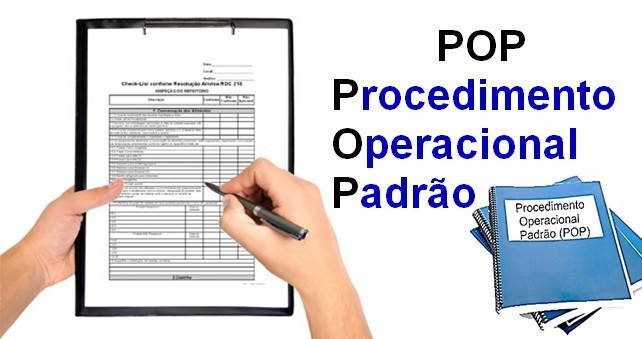
A protocolo operacional padrao is a structured document designed to guide employees through routine tasks in a clear, consistent, and reliable way. It transforms organisational knowledge into practical instructions that can be followed daily, regardless of who performs the task. This clarity reduces confusion, strengthens accountability, and supports smoother operations across departments.
In modern organisations, especially those operating in regulated or competitive environments, consistency is essential. A well-developed protocolo operacional padrao helps align teams, preserve quality standards, and reduce operational risks. It also creates a shared understanding of how work should be done, supporting long-term efficiency and professional growth within the organisation.
Understanding What a Protocolo Operacional Padrão Is
At its core, a protocolo operacional padrao is a formal procedure that documents how a specific activity should be carried out from start to finish. It explains responsibilities, required resources, and the correct sequence of actions to ensure tasks are completed correctly and consistently every time they are performed.
Often known internationally as a Standard Operating Procedure, this type of document plays a crucial role in translating strategy into action. By clearly defining expectations and methods, a protocolo operacional padrao reduces dependency on individual experience and ensures that best practices are embedded into everyday operations rather than remaining informal knowledge.
Why a Protocolo Operacional Padrão Is Essential for Organisations
One of the strongest benefits of implementing a protocolo operacional padrao is standardisation. When tasks are performed using the same method, results become more predictable and errors are significantly reduced. This is particularly valuable in environments where quality, safety, and compliance are critical to success.
Beyond consistency, a protocolo operacional padrao supports efficiency and training. New employees can become productive faster, while experienced staff avoid unnecessary rework. By providing a reliable reference point, organisations can maintain performance levels even during periods of growth, change, or staff turnover.
Core Elements of an Effective Protocolo Operacional Padrão

A successful protocolo operacional padrao begins with a clearly defined purpose and scope. These elements explain why the procedure exists and where it applies, preventing misuse or misunderstanding. Clear scope definitions also help organisations decide when the procedure should be followed and when flexibility is acceptable.
Equally important are detailed procedural steps, assigned responsibilities, and defined control measures. Documentation requirements, review cycles, and compliance checks ensure that the protocolo operacional padrao remains accurate and relevant. Together, these elements create a living document that supports both operational discipline and continuous improvement.
How to Create a Protocolo Operacional Padrão That Works
Creating a protocolo operacional padrao starts with observing how work is actually performed, not how it is assumed to be done. Mapping real workflows allows organisations to capture practical steps, identify inefficiencies, and design procedures that employees can realistically follow without disruption.
Once the process is documented, the language should remain clear, direct, and accessible. The protocolo operacional padrao should be reviewed by those who will use it, tested in real situations, and formally approved. This collaborative approach increases acceptance and ensures the document delivers real operational value rather than existing only for compliance.
Best Practices for Long-Term Success and Improvement
For a protocolo operacional padrao to remain effective, it must be actively maintained. Regular reviews help ensure that procedures stay aligned with evolving regulations, technologies, and organisational goals. A static document quickly loses relevance, while an updated one continues to support performance and compliance.
Training and communication are equally vital. Employees should understand not only how to follow the protocolo operacional padrao but also why it exists. Encouraging feedback and continuous refinement turns the document into a shared operational asset rather than a rigid set of rules imposed from above.
Conclusion and Frequently Asked Questions Overview
A protocolo operacional padrao is a powerful tool for organisations seeking consistency, quality, and sustainable growth. By clearly defining how tasks should be performed, it reduces risk, strengthens accountability, and enables teams to work with confidence and clarity across all operational levels.
Common questions around a protocolo operacional padrao often relate to ownership, review frequency, and applicability across different industries. While implementation may vary, the underlying principle remains the same: well-documented procedures create stability, support learning, and form the foundation of efficient and resilient organisational operations.
You may also read: Padel Courts and Playing Environment