 Heinrich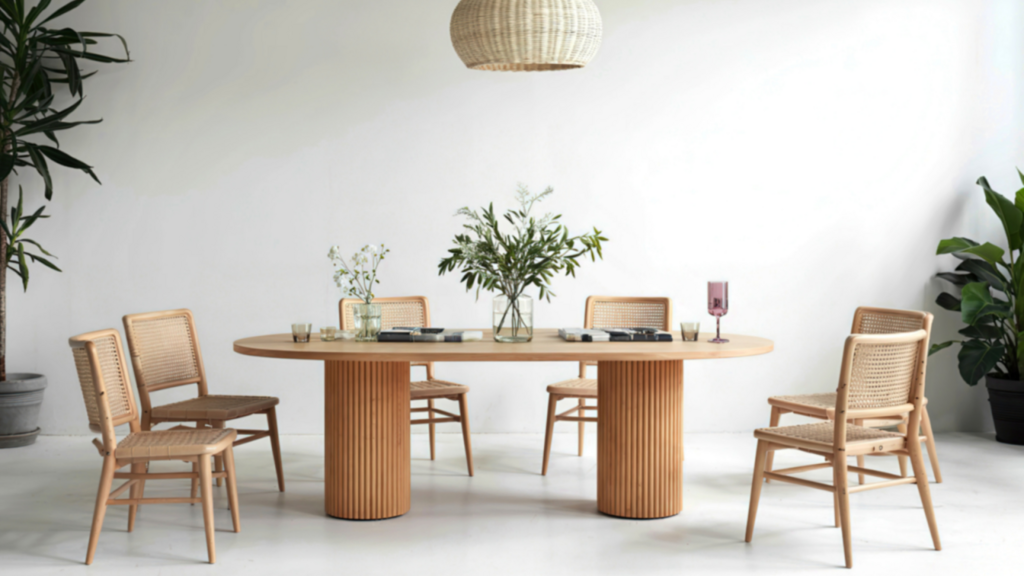
You know that plant-based streak you attempted last year? Here’s a secret most people never hear: your willpower wasn’t the problem; your environment was. Most nutrition advice focuses on recipes and discipline but overlooks something far more influential: the space where you actually sit down to eat.
When your dining area feels warm, comfortable, and intentionally arranged, you’re reshaping the way your brain experiences every meal. And that small shift is often what transforms short-lived attempts into a sustainable, deeply satisfying plant-based routine. Let’s explore how the right environment quietly sets you up for long-term success.
The Psychology Behind Cozy Dining Spaces and Food Ritual Success
Your brain is always scanning your surroundings for cues, even when you’re not aware of it. And when it comes to eating, those quiet environmental signals often decide more about your food choices than willpower ever does.
Environmental Cues That Strengthen Plant-Based Habits
Think of your dining area as a behavioral anchor, something that quietly tells your mind, “This is where we slow down. This is where mindful eating happens.” A comfortable chair, warm or natural lighting, and small visual reminders of your goals to create what experts call “environmental scaffolding.”
When your dining zone feels calm, intentional, and inviting, your brain enters a primed state before you even take a bite. It becomes easier to reach for meals that support your well-being because the space nudges you toward those habits with almost no conscious effort.
A cozy dining area can completely transform the way you experience plant-based cooking, turning everyday meals into moments you genuinely look forward to. When you start with a dining table set for 4, you’re creating a space that feels intentional, welcoming, and grounded in routine.
Pairing that setup with a glass dining table set for 4 adds openness and visual calm, letting your colorful plant-based dishes become the star of the moment. Over time, this warm designed space becomes an unspoken ally, quietly encouraging you to stay consistent with your plant-forward lifestyle.
Breaking the Fast-Food Mindset Through Intentional Design
Let’s be honest: standing at the counter with your phone in hand disrupts the eating. Creating a designated, distraction-free dining space changes everything. Sitting down at a proper spot signals to your brain that meals deserve attention, not multitasking.
This tiny shift reduces the pull of processed foods because you’re finally giving whole, nourishing meals the setting they deserve. Over time, your dining area becomes more than a place to eat, it becomes a gentle reminder of the person you’re trying to be.
Essential Design Elements for a Plant-Based Friendly Dining Zone
Psychology sounds great in theory. But how do you actually apply it? By picking furniture and features that support both function and feeling.
Choosing the Right Table for Your Space
Your table is ground zero for dining decisions. This brings specific benefits for plant-forward eaters, the transparent surface creates a sense of airiness while showcasing your colorful dishes beautifully. Glass cleanup is ridiculously easy when you’re experimenting with turmeric-stained sauces and fresh produce. Round tables? They maximize conversation in tight spaces.
Materials communicate values too. Reclaimed wood signals sustainability and warmth. Bamboo offers eco-friendly strength. Need flexibility for dinner parties but limited room? Extendable designs solve that puzzle elegantly.
Lighting Strategies to Create Cozy Eating Area Ambiance
Here’s something most people overlook: lighting directly affects how food tastes and feels. Warm temperatures (2700K to 3000K range) make vegetables look delicious and your body relaxes. Harsh fluorescent overhead lights? They do the exact opposite, making healthy food unappetizing while cranking up stress.
Build lighting in layers. Ambient fixtures for overall brightness. Task lighting focused on the table. Accent lights showcasing plants or art. Install dimmers so you can shift from energizing morning brightness to intimate evening warmth. During daytime, natural light remains unbeatable for appreciating your plant-based masterpieces.
Color Psychology for Plant-Based Dining
The hues surrounding you while eating influence both appetite and emotional state more than you’d guess. Earth tones, gentle greens, warm neutrals, these enhance vegetable appeal rather than competing with your food. They create visual cohesion with plant ingredients.
Skip sterile whites or appetite-killing colors when you’re trying to enjoy nourishing meals. Botanical print accent walls or living plant installations reinforce your plant-based identity. Working with small dining space design constraints? Lighter paint shades expand perceived space without losing warmth.
Small Dining Space Design Solutions for Urban Plant-Based Cooks
Limited square footage doesn’t mean sacrificing the intentional, welcoming experience your plant based cooking routine requires. Strategic choices make compact spaces feel surprisingly abundant.
Maximizing Square Footage in Compact Spaces
Multi-zone thinking helps tiny kitchens punch above their weight. Thoughtfully integrate prep, cooking, and eating areas. Vertical storage keeps plant-based essentials, grains, legumes, spice collections, organized without devouring counter space.
Fold-down or wall-mounted tables work beautifully in micro-apartments. They vanish when you’re done eating, returning precious floor space. Hunt for furniture with hidden storage for linens, serving pieces, and pantry overflow.
Visual Tricks to Expand Your Space
Strategic mirror positioning doubles your dining area’s perceived size while bouncing light around. Place mirrors opposite windows for maximum impact. Glass and lucite furniture maintain functionality without visual bulk, they practically disappear compared to solid pieces.
Monochromatic color schemes create flow that makes rooms feel larger. Plant-based kitchen decluttering, like storing bulk items in matching containers, reduces visual noise. Each deliberate choice compounds, generating spaciousness.
Creating Boundaries in Open-Plan Living
Area rugs define dining zones without physical walls, anchoring space both psychologically and visually. Pick textures that feel good underfoot and colors harmonizing with your overall aesthetic. Shelving units and plant stands divide areas naturally while offering functional storage and living greenery.
Pendant lighting hung properly delineates eating areas in open plans. Light pooling onto the table creates intimacy even within larger rooms. Add acoustic treatments like fabric wall hangings to improve conversation quality.
Organizational Systems That Support Your Plant Based Cooking Routine
Beautiful design fails if daily functionality frustrates you. Proper organizational systems transform cozy dining room ideas from fantasy into sustainable reality.
Strategic Pantry Display for Visual Inspiration
Open shelving turns colorful grains, beans, and spices in glass jars into functional décor. When your plant-based pantry looks beautiful, cooking from scratch becomes more appealing. This constant visual reminder keeps dietary goals present without nagging.
Position herb gardens and microgreens where they’re visible from the dining table. Connecting growing spaces with eating spaces reinforces your relationship with plant foods. Store cookbooks and recipe collections near your dining area for spontaneous inspiration.
Prep-to-Table Workflow Optimization
Research reveals remarkable connections between cooking skills and broader food knowledge. They found strong positive correlation (r = .58, P < .01) between these abilities, proving that people developing kitchen competence in supportive environments simultaneously build comprehensive food literacy.
Optimizing your space for smooth workflows develops multiple skills at once. When possible, position your dining table within easy reach of cooking areas. Portable serving stations and bar carts bridge kitchen-to-eating-space gaps. Lazy Susans and tiered stands make family-style plant meals feel special while maintaining accessibility.
Sensory Enhancements That Elevate Plant-Based Dining
Engaging all five senses transforms routine meals into meaningful rituals. These thoughtful additions make your vegan kitchen and dining space feel like a genuine sanctuary.
Aromatherapy Integration for Appetite and Digestion
Essential oil diffusers with complementary scents enhance eating experiences, citrus for freshness, rosemary for mental clarity. Fresh herb bouquets as centerpieces provide natural fragrance while doubling as ingredients. Strategic plant placement purifies air naturally without harsh chemicals.
Gently eliminate cooking odors so your dining area always feels inviting. Proper scents prime digestion and create positive associations with plant-based meals.
Textural Layers for Physical Comfort
Natural fiber table linens, organic cotton, linen, hemp, align with plant-based values while adding tactile warmth. Woven placemats and sustainable dinnerware make everyday meals feel intentional. Cushions and throw pillows on dining chairs encourage lingering over conversation.
Temperature control matters too. Proper ventilation or fans maintain year-round comfort. When your body feels physically at ease, slowing down to truly enjoy food becomes natural.
Making Your Space Work for You
Transforming your dining environment is about establishing conditions where healthy choices feel natural and genuinely enjoyable. Small improvements accumulate over time. Whether you’re working with a spacious home or a shoebox apartment, intentional design supports your plant based cooking routine in profound ways.
Environment and behavior are deeply intertwined. When your space mirrors your values and removes unnecessary friction, sustainable habits emerge organically. Pick one change this week, improved lighting, a designated eating spot, organized pantry display. Your future self will absolutely thank you.
Your Questions About Plant-Based Dining Spaces Answered
How to make a tiny apartment dining area feel cozy?
Start with warm lighting, then add soft textiles, cushions, table runners. Incorporate small plants or fresh herbs. Fold-down tables maximize space on demand. Keep surfaces clear except for intentional décor reflecting your plant-based lifestyle. Mirrors work magic for expanding visual space.
What colors work best for encouraging healthy eating?
Warm earth tones, soft greens, natural wood colors make vegetables look irresistible. Avoid harsh whites or appetite-suppressing blues in primary dining spaces. Accent with botanical greens and warm neutrals. These palettes make plant-based foods appear more vibrant and appetizing.
How to organize plant-based pantry staples in small kitchens?
Maximize vertical space with stackable containers and wall-mounted shelving. Store bulk items in uniform glass jars for visual calm. Label everything clearly. Position daily-use items at eye level. This reduces decision fatigue and simplifies scratch cooking.