 ADMIN ST BUSINESS
A protocolo operacional padrao is a structured set of instructions designed to standardise the execution of tasks within organisations. By providing clear guidelines, it ensures consistency, efficiency, and compliance across different operations. Whether in a business setting or healthcare, this type of protocol reduces errors, improves communication among teams, and establishes a reliable workflow that everyone can follow.
Organisations that implement a protocolo operacional padrao can achieve higher productivity and safer operations. In healthcare, it plays a critical role in protecting patient safety, while in businesses, it safeguards operational consistency. Understanding the importance and practical implementation of this protocol is essential for managers, team leaders, and professionals seeking excellence in daily operations.
Understanding Protocolo Operacional Padrao
The protocolo operacional padrao is more than just a procedural document; it is a comprehensive framework that standardises how tasks should be performed. Unlike informal guidelines, it offers precise, step-by-step instructions to ensure uniformity and reduce the margin for errors. This is crucial for both high-risk environments like healthcare and complex business processes.
By adopting a protocolo operacional padrao, organisations establish clear expectations for staff performance. It enhances efficiency by eliminating confusion about responsibilities, while also providing a reference point for training new employees. Additionally, it supports regulatory compliance, which is particularly important in sectors that require strict adherence to safety and operational standards.
Key Components of a Protocolo Operacional Padrao
Every protocolo operacional padrao consists of essential elements that define the scope and execution of tasks. These components typically include objectives, responsibilities, detailed procedures, documentation requirements, and evaluation metrics. Together, they provide a complete roadmap for performing tasks effectively and consistently across teams.
In healthcare, a protocolo operacional padrão enfermagem may outline nursing procedures such as patient monitoring, medication administration, and hygiene protocols. Similarly, in business, it can define operational workflows, quality checks, and reporting procedures. Including all these elements ensures that employees clearly understand their roles and can perform tasks with precision and accountability.
Implementing a Protocolo Operacional Padrao
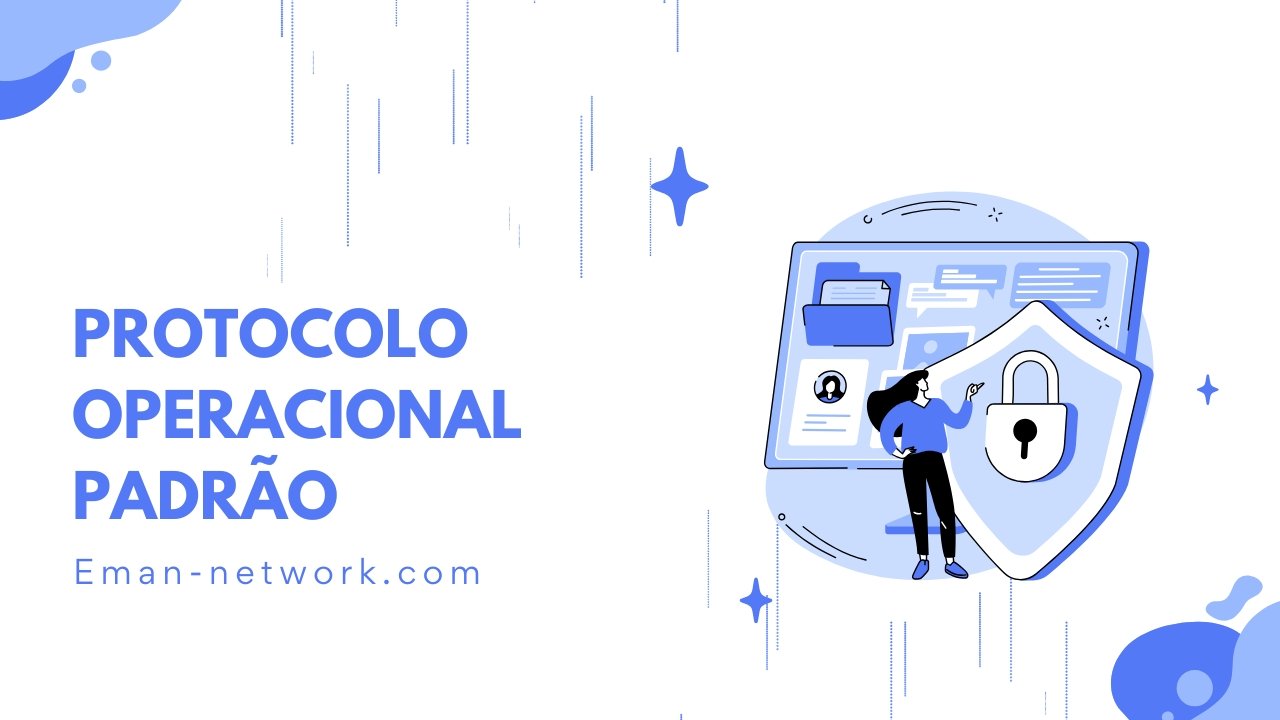
Implementing a protocolo operacional padrao begins with a thorough analysis of existing processes. Organisations must identify gaps, risks, and areas for improvement before creating detailed procedures. Staff involvement is crucial, as it encourages ownership and ensures practical applicability. Training sessions should cover the protocol comprehensively to guarantee adherence.
Once in place, continuous monitoring and evaluation of the protocolo operacional padrao are vital. Feedback mechanisms allow organisations to refine procedures and address operational challenges. Periodic audits and reviews ensure that the protocol remains relevant and effective, keeping processes aligned with changing organisational needs and industry regulations.
POP in Healthcare and Nursing
In healthcare, a protocolo operacional padrao enfermagem is fundamental for patient safety and quality care. It establishes standard procedures for critical tasks such as administering medication, maintaining hygiene, monitoring vital signs, and responding to emergencies. These protocols minimise human error and enhance patient outcomes.
Healthcare POPs also facilitate better coordination among staff. With clear instructions, nurses and medical professionals can operate efficiently across shifts and departments, ensuring that care is consistent. Using a POP protocolo operacional padrao enhances compliance with legal requirements and strengthens the overall reliability of healthcare services, benefiting both patients and staff.
Common Challenges and Solutions
Introducing a protocolo operacional padrao can sometimes face challenges such as employee resistance, incomplete documentation, or a lack of awareness about the protocol’s importance. These issues may hinder effective implementation, reducing the protocol’s impact on efficiency and safety.
To overcome these challenges, organisations should prioritise training, communication, and engagement. Involving staff in the development and refinement of the protocolo operacional padrao increases buy-in. Regular updates, feedback sessions, and audits ensure that the protocol adapts to evolving organisational needs and maintains compliance, ultimately enhancing its effectiveness and acceptance.
Best Practices for Maintaining an Effective POP
Maintaining an effective protocolo operacional padrao requires regular review and updates. Processes should be evaluated periodically to ensure that they remain relevant, efficient, and aligned with industry standards. Digital tools and checklists can streamline tracking and documentation, making adherence easier for staff.
Leadership plays a key role in sustaining the POP. Encouraging employee feedback, recognising adherence, and fostering a culture of compliance ensures long-term success. By actively managing the protocolo operacional padrao, organisations can achieve consistent quality, operational efficiency, and improved safety across all departments, whether in business or healthcare settings.
Conclusion
A protocolo operacional padrao is a vital tool for organisations seeking operational consistency, safety, and compliance. From businesses to healthcare institutions, clear and practical protocols reduce errors, improve efficiency, and provide staff with reliable guidance for daily operations.
By focusing on proper implementation, continuous monitoring, and staff engagement, organisations can maintain an effective POP over time. This commitment to standardisation ensures higher productivity, safer environments, and better outcomes for both employees and clients or patients, making the protocolo operacional padrao an indispensable component of modern operations.
FAQs
What is a protocolo operacional padrao?
A protocolo operacional padrao is a standardised document that outlines step-by-step procedures to ensure consistency, compliance, and efficiency in performing tasks.
How does protocolo operacional padrão differ from other operational procedures?
It is more structured and formal, providing detailed instructions and responsibilities, unlike informal procedures that may be vague or inconsistent.
Why is protocolo operacional padrão important in nursing?
It ensures patient safety, guides staff in critical tasks, and maintains regulatory compliance in healthcare settings.
How can businesses implement a POP effectively?
Assess current workflows, draft detailed procedures, train staff, monitor compliance, and review protocols regularly to maintain relevance.
What are common mistakes when creating a protocolo operacional padrao?
Vague instructions, lack of staff training, poor documentation, and failure to update protocols regularly are common errors.
Can POPs be digitalised for easier management?
Yes, digital POPs allow easier access, updates, tracking, and compliance management, improving overall operational efficiency.
How often should a protocolo operacional padrao be updated?
Protocols should be updated whenever processes, regulations, or organisational requirements change to ensure continued relevance and effectiveness.
You may also read: Solving Puzzles with Guia Silent Hill Geekzilla